Inside Sweepstakes Casino Prizes: Trust, Controls, and What Players Get
Sweepstakes casino prizes run on a different engine to the real-money pokie sites Australians usually hear about. Two currencies do the heavy lifting – Gold Coins cover casual play, while Sweeps Coins carry the prize value and can be redeemed for cash or gift cards. The model appeals to over-18s who want casino-style entertainment without the bankroll pressure, yet the trust questions around it are real. Here’s how the better operators handle licensing, support, and account controls.
How the Prize Model Actually Works
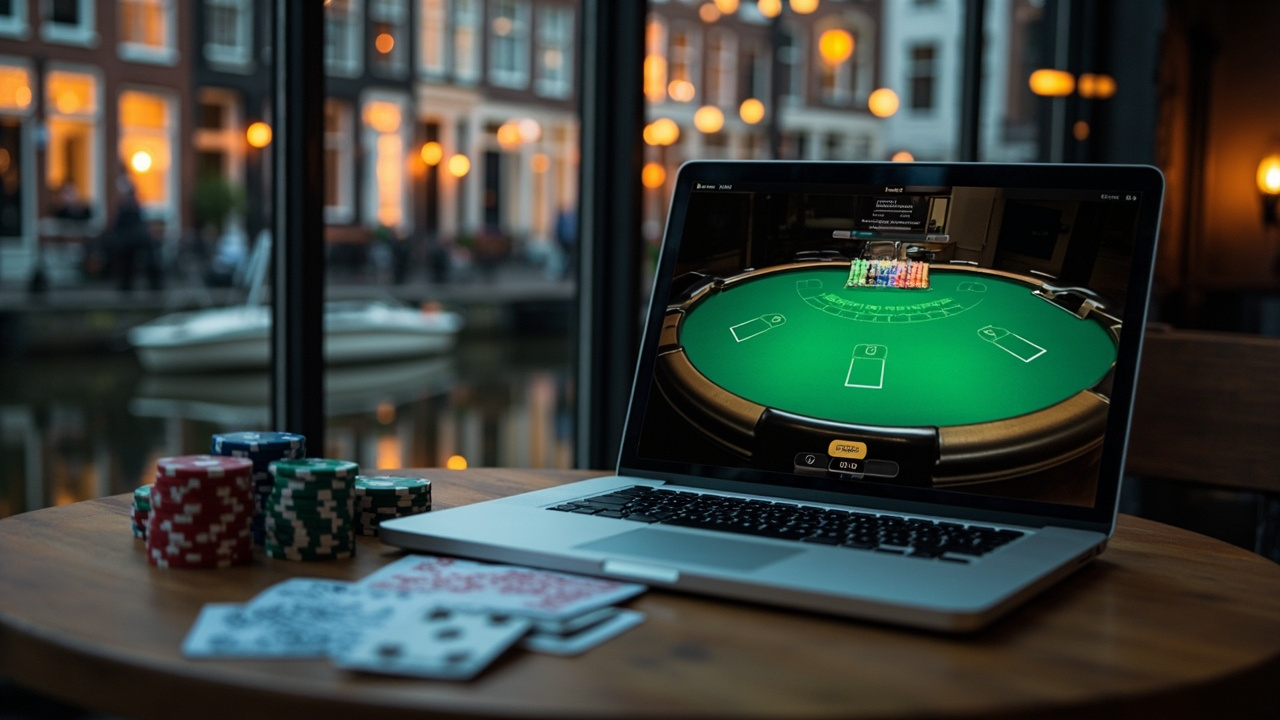
At a glance, the key numbers behind most sweepstakes casino prizes read like this:
| Feature | Detail |
|---|---|
| Currencies | Gold Coins + Sweeps Coins |
| Welcome offer | 10,000 GC + 10 SC |
| SC redemption | 1 SC = A$1 (min 50 SC) |
| Payout time | 3-5 business days |
| SC bonus wagering | 1x |
| Game providers | Pragmatic Play, Hacksaw Gaming |
In sweepstakes casino prizes, every spin, hand, or roll costs Gold Coins that players collect for free or buy in packs. Sweeps Coins arrive as a bonus attached to those purchases, plus through daily logins, mail-in offers, and social media giveaways. The crucial bit: SC carries the prize value. Hit a tournament, land a feature, or grind a leaderboard and you bank SC redeemable against cash or gift cards.
Compare that to a standard online pokie, and the maths reads differently. RTP on slots sits between 92% and 97%, and the wagering requirement on SC bonuses is usually 1x before redemption – noticeably lighter than the 30x to 40x common at real-money casinos. A mate in Canberra working his daily login streak reckons he clears roughly A$15 in SC value most weeks, just by sticking to the routine. That quiet consistency, not the headline welcome bonus, is where the model earns its following. Serious sweepstakes brands structure their prize tables in much the same way, and players comparing options will find an identical conversion chart over at casoola-casin0.com, with the same minimum redemption threshold of 50 SC and the same 1x playthrough on bonus SC.
Licensing, Security, and Account Safeguards
Australian players should understand upfront that sweepstakes casinos are not licensed by the ACMA, the Canberra-based regulator that enforces the Interactive Gambling Act 2001. Operators instead run under overseas sweepstakes law – typically a US state framework or a Curaçao-registered parent – which is why marketing emphasises “no purchase necessary” and free entry routes. That doesn’t make them dodgy, but the burden of trust sits with the player rather than a domestic ombudsman.
The brands doing it well publish their licence number, corporate owner, and a clear privacy policy in the footer, with audit certificates from iTech Labs or GLI available. By Sydney iGaming-reporting standards, anything less than that level of disclosure is a red flag worth walking away from. SSL encryption on transactions is non-negotiable, as is segregated player funds and two-factor authentication inside the account settings. KYC kicks in before your first SC redemption – photo ID, proof of address, and sometimes a selfie check. It adds a day or two, but it protects the prize pool from bonus abuse and keeps the operator onside with anti-money-laundering rules. Skip it if any of those details are buried or missing.
Support, Responsible-Play Tools, and the Day-to-Day Experience
The best operators treat support as a frontline trust signal rather than an afterthought. Live chat should respond inside two minutes, email inside six hours, and the FAQ should answer the questions players actually ask – not just describe the site in marketing language. For anyone balancing a busy arvo and a cracking weekend schedule, round-the-clock cover is the difference between a quick resolution and a missed payout window. Phone support and a verified social-media presence are good secondary tells.
Responsible-play tools are where I’d spend a Sydney journalist’s scepticism. A serious brand offers deposit limits on Gold Coin purchases, session timers, cool-off periods, and self-exclusion that locks both SC and GC play. Account verification also feeds into problem-gambling flags: a player escalating GC purchases without ever redeeming SC is a pattern operators should monitor and respond to. Privacy settings should let you opt out of marketing comms in a single click and request a full data export under the brand’s published retention policy. None of this is decorative – it is the real measure of whether a sweepstakes brand respects the player.
Payouts, Loyalty, and Where the Value Sits
Payouts are the trust test that matters most. Strong operators publish a redemption queue, a maximum weekly cashout (often A$5,000 to A$10,000), and the precise identity checks required. Crypto redemptions in BTC, ETH, or USDT clear fastest, sometimes inside 24 hours; bank transfers take the standard three to five days. Visa and Mastercard work for GC purchases but not always for SC redemption, so check the cashier before you sign up.
The loyalty program typically ladders from Bronze through Platinum, with tiered rakeback in SC, birthday bonuses, and a dedicated VIP host once you cross the top threshold. The genuine value for a recreational Aussie player isn’t the headline welcome offer – 10,000 Gold Coins plus 10 Sweeps Coins on signup the brand’s platform is standard – it’s the drip of daily login credits, weekly prize drops, and tournaments that keep the SC balance ticking over. Anyone weighing this format against real-money play should compare mobile poker apps directly before committing, since game libraries and verification flows vary sharply between operators. The prize economy rewards patience, not pressure.
Player-fit verdict: sweepstakes casino prizes suit over-18 Australians who want casino-style entertainment with optional cash upside and don’t mind an offshore licence. They reward patience, daily logins, and disciplined bankroll habits rather than high-stakes play. The right player treats SC as a slow-burn side benefit, not a wage. Anyone chasing fast cashouts or a domestic ombudsman should sit this one out.
