Exploring the mental traps How psychology influences casino decisions
Exploring the mental traps How psychology influences casino decisions
The Psychology of Gambling
Gambling engages many psychological mechanisms that can deeply influence a player’s decisions. One of the most significant is the phenomenon of loss aversion, where individuals tend to prefer avoiding losses over acquiring equivalent gains. This means a player who has lost a substantial amount may continue gambling in hopes of recouping their losses, leading to a potentially destructive cycle. Understanding this mindset can provide insight into why individuals may persist in playing even when the odds are not in their favor. You might find that exploring payid pokies australia can offer additional insights into how these dynamics play out in real scenarios.

Another critical psychological factor is the “sunk cost fallacy.” Players often feel compelled to continue investing in games after already losing money, reasoning that stopping would mean accepting a loss. This irrational behavior can lead to extended gaming sessions, where the emotional investment overshadows rational decision-making. Casinos strategically leverage this by offering enticing visuals and sounds to keep players engaged, making it easier to ignore the financial reality.
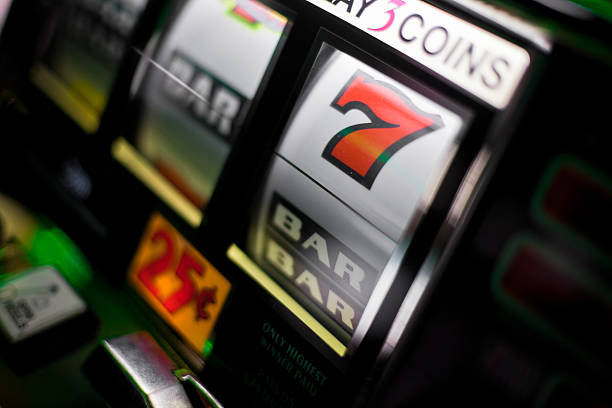
Moreover, the concept of “near misses” plays a pivotal role in shaping gambling behavior. When players come close to winning—such as spinning a slot machine that nearly aligns—they experience a surge in excitement, which reinforces their desire to keep playing. This psychological trick can create a false sense of hope and optimism, leading players to believe that their next bet might finally yield a win. Recognizing these psychological traps is crucial for understanding why individuals may struggle to walk away from gambling environments.
The Role of Environment in Decision-Making
The environment in which gambling occurs significantly influences decision-making processes. Casinos are meticulously designed to create an atmosphere of excitement and allure. Bright lights, engaging sounds, and even the scent of certain aromas are all used to enhance the gambling experience. This sensory overload can overwhelm players, making them more susceptible to impulsive decisions and less aware of their spending habits. Consequently, players may end up wagering more than intended.
Furthermore, the layout of a casino often encourages prolonged play. Machines and tables are arranged in ways that reduce barriers to entry, enabling players to transition seamlessly from one game to another. This design promotes a sense of urgency and excitement, enticing players to stay longer and gamble more. By understanding how environmental factors influence behavior, players can be more mindful of their surroundings and their resulting decisions.
The social aspect of gambling also plays a vital role. Many individuals gamble in groups, and the influence of peers can lead to riskier decisions. The desire to fit in or impress friends may prompt players to take bigger risks than they normally would. This social dynamic, coupled with the already stimulating environment of a casino, can significantly amplify impulsive behavior. Awareness of these environmental triggers is essential for maintaining control over gambling choices.
The Influence of Cognitive Biases
Cognitive biases profoundly affect how players perceive their chances of winning and losing in a casino setting. One prevalent bias is the illusion of control, where gamblers mistakenly believe that they can influence the outcome of games of chance. For instance, players might think that using certain strategies or rituals will help them win, even in games like slots or roulette that are entirely random. This overestimation of control can lead to increased gambling and financial losses.
The gambler’s fallacy is another crucial cognitive bias that can lead to poor decision-making. This occurs when players assume that past events affect future outcomes in random games. For example, if a player observes a series of losses on a roulette table, they may believe that a win is “due,” leading to riskier bets. Understanding these biases can help individuals recognize when their judgment is clouded and encourage more informed decision-making.
Moreover, confirmation bias plays a role in reinforcing misguided beliefs about luck and skill. Players might selectively remember wins and overlook losses, leading to an inflated sense of success. This bias can create a false narrative around gambling, making it easier to justify continued play despite accumulating losses. By acknowledging these cognitive biases, gamblers can better assess their behavior and make more rational choices.
Managing Emotional Responses
Emotions play a significant role in gambling decisions, often leading to impulsive actions. The thrill of winning can create a rush of positive feelings, while losing can evoke frustration or sadness. These emotional swings can cloud judgment, causing players to chase losses or make reckless bets. Understanding the emotional aspect of gambling can help individuals develop strategies to manage their feelings and maintain better control over their decisions.
One effective strategy is to set strict limits before entering a gambling environment. Establishing boundaries in terms of time and money can help mitigate emotional decision-making. When players have a plan in place, they are less likely to succumb to the excitement or despair of the gambling experience. By committing to predetermined limits, individuals can better navigate their emotions and avoid falling into the traps created by the psychological aspects of gambling.
Additionally, taking breaks during gambling sessions can help individuals regain perspective. Stepping away from the action allows players to cool down and reflect on their decisions. This pause can be instrumental in curbing emotional impulses and preventing further losses. Overall, managing emotional responses is crucial for maintaining a healthy relationship with gambling and making informed choices.
Choosing the Right Online Casino
When exploring online casinos, understanding the psychological elements at play is essential for making informed decisions. Players should choose platforms that prioritize transparency and responsible gambling. This includes casinos that offer resources for self-assessment and guidelines for setting limits. Being aware of the potential mental traps can empower players to make choices that align with their values and objectives.
Furthermore, researching the features and benefits of different online casinos can significantly impact the gaming experience. Websites that provide user-friendly interfaces, clear information about odds, and accessible customer support contribute to a more favorable environment. The goal should always be to find a casino that promotes responsible gaming practices while still providing an entertaining experience.
Ultimately, understanding the influence of psychology on casino decisions can be an invaluable tool for players. By being aware of their mental traps and the features of online casinos, individuals can enhance their gaming experience while minimizing the risks associated with gambling. This knowledge empowers players to engage in responsible gambling practices and make choices that reflect their personal boundaries.
